Supplemental Security Income (SSI)
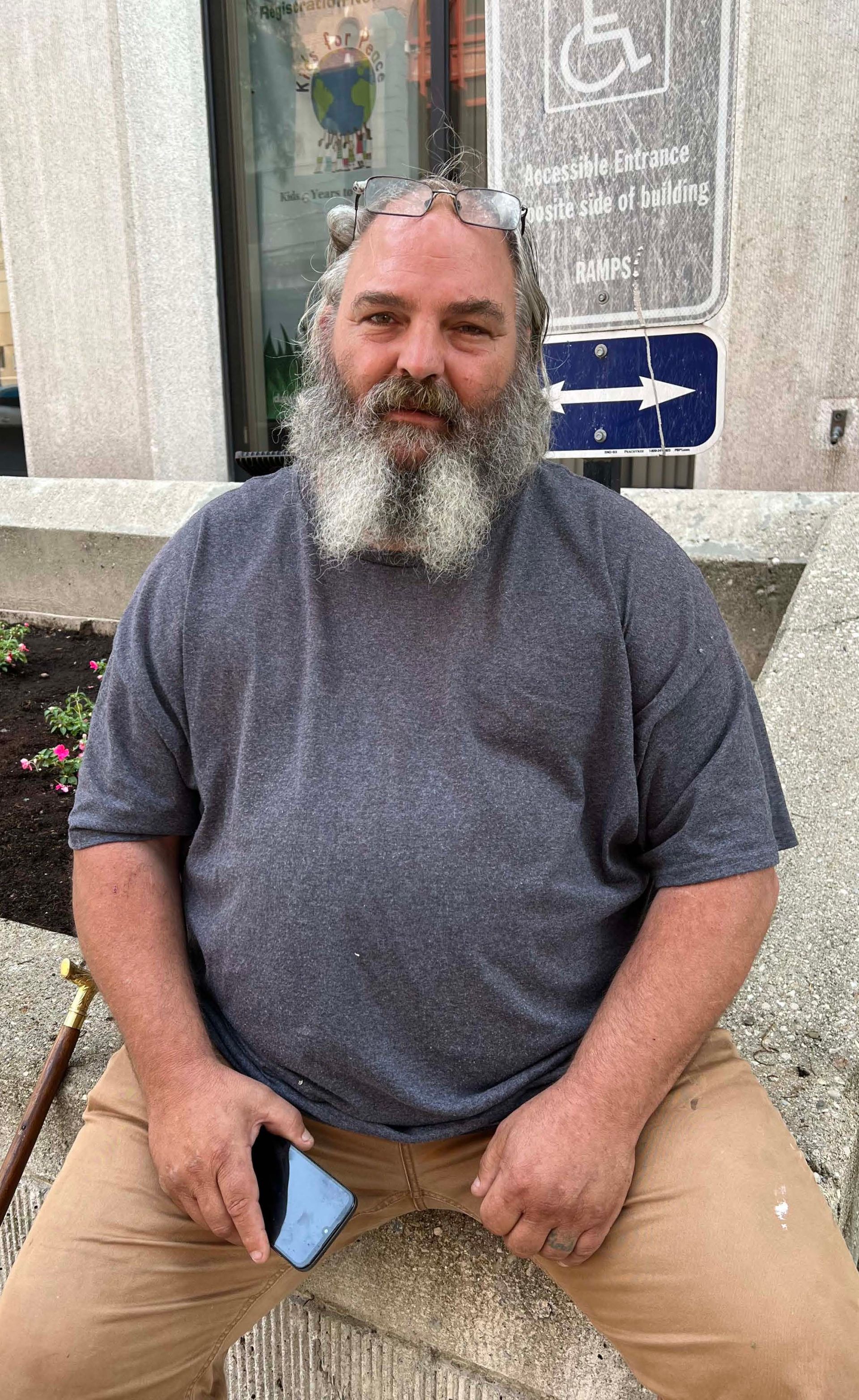
SSI for Disabled Adults
Supplemental Security Income (SSI) provides monthly financial support for disabled, low-income Americans, and in many states ensures eligibility for the Medicaid program. In very many cases, SSI is the difference between stability and homelessness.
We are strong believers in the SSI program: these benefits help people get their lives on track and avoid the pitfalls that come with extreme poverty. We took SSI cases before attorneys could receive direct payment for them and have strong relationships with a broad network of case workers, shelters, and advocates.
In 2026, the federal benefit rate for SSI benefits is $994 per month for an individual, or $1,491 per month for a couple. In many cases, the Social Security Administration reduces monthly benefits due to an SSI recipient’s income or living situation. While an attorney’s representation technically ends after a claimant is found medically disabled, we always review—and regularly appeal!—our claimant’s SSI awards to ensure they receive their correct benefits.
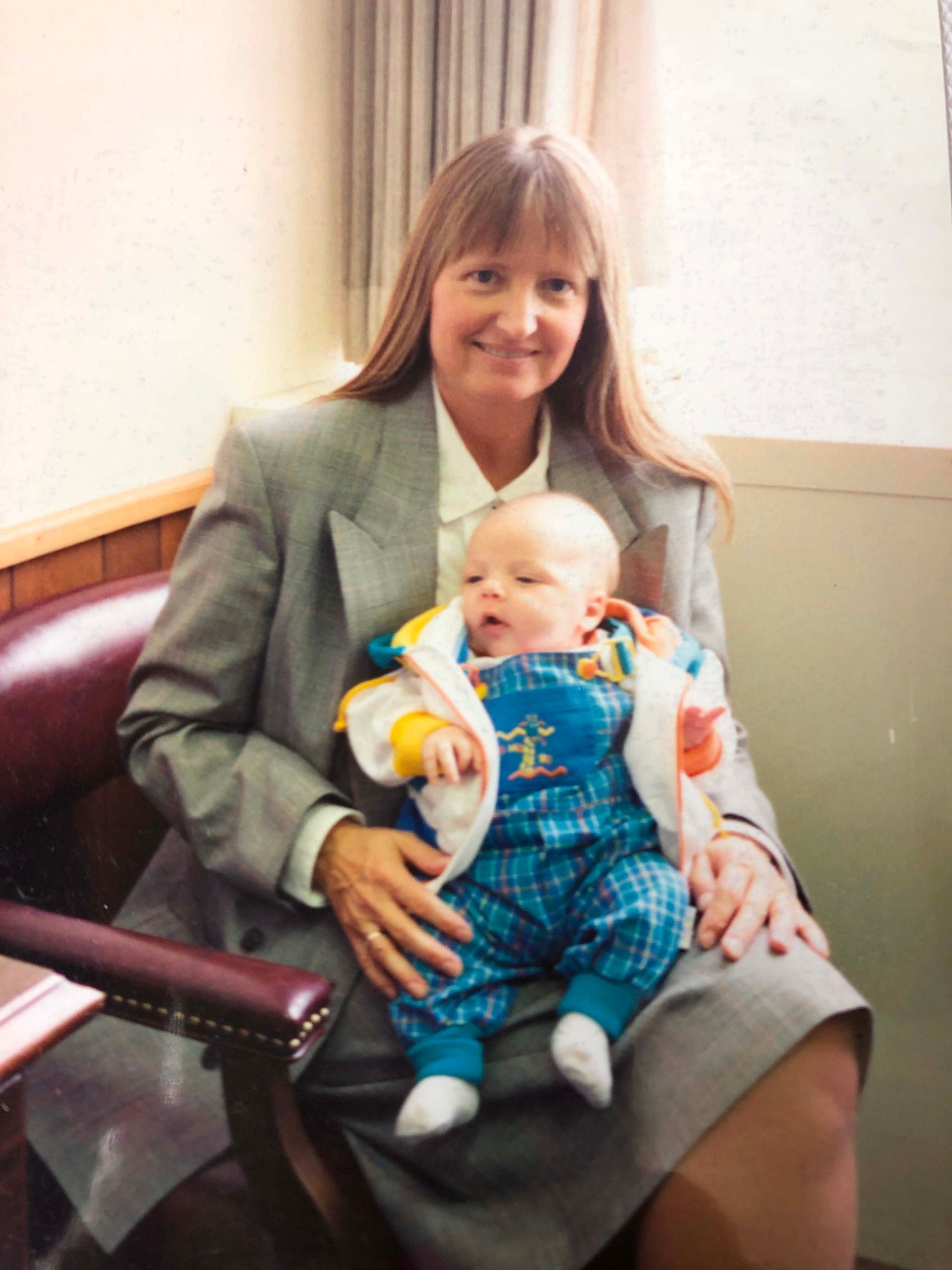
While the Social Security disability programs typically provide benefits to adults who can’t work, the SSI program also supports disabled children from lower-income families. These benefits ensure that families can provide the extra care that disabled children need—whether that’s more medical treatment, special equipment, or simply more time with parents.
Kids’ cases are unique. Because it doesn’t make sense to ask whether kids can work, the Social Security Administration instead asks whether children have developmental delays across six functional categories.
Although not the most lucrative, children’s cases might be our favorites. Our attorney, Rebecca, represents many children—including children in Dayton, Ohio, and children across the country that struggle to find a disability lawyer that takes kid’s cases.
How to Apply for SSI Benefits?
We have a blog post explaining how to apply for SSI benefits, and you’re also welcome to contact our office for help with an application.
Importantly,
except in limited situations, you cannot file an SSI application online. Too many people “apply” online and never complete their application because they do not respond to required follow-up calls from the Social Security Administration.
We sit with our clients to complete a paper application.
What Is Supplemental Security Income?
Supplemental Security Income (SSI) is a federal benefits program administered by the Social Security Administration for individuals who are disabled, blind, or age 65 or older and who have limited income and resources. Unlike Social Security Disability Insurance (SSDI), SSI is not based on a person’s work history or payroll tax contributions. Instead, SSI is a need-based program intended to help eligible individuals pay for basic living expenses.
Who Qualifies for SSI?
Like SSDI, to qualify for SSI, a claimant must meet both medical and non-medical requirements. SSI and SSDI have the same medical requirements, but different non-medical requirements.
For an adult to prove disability, the claimant must show that medical conditions prevent them from performing substantial work activity for at least one year. In a limited number of cases, Social Security only confirms that someone has a qualifying diagnosis “listings of impairments.” But even the “listings” generally require certain indicators that show someone’s condition is particularly severe: for example, Listing 13.03 requires not only a diagnosis of skin cancer, but also carcinoma invading skeletal muscle or bone (or other similarly extreme indicators). Because most claimants do not meet the listings’ high thresholds, most disability claims require determining that someone has a medically determinable impairment and then assessing whether those impairments prevent someone from returning to past work, using transferable skills to perform other work, or adjusting to other competitive employment.
Children’s SSI claims are evaluated differently. In most cases, Social Security looks at how medical conditions have affected the child’s development in six areas of function, i.e., learning, completing tasks, behavior, communication, self-care, and physical health. If the child has “marked” limitations in two areas, or an extreme limitation in any area, then the child is generally disabled.
To qualify for Supplemental Security Income (SSI), an applicant must meet strict financial eligibility requirements. Social Security reviews both income and resources when deciding whether a person qualifies. Income can include wages, self-employment earnings, unemployment benefits, pensions, and, in some cases, support a person receives from family or friends for food or shelter. Social Security may also consider a spouse’s income, a parent’s income in a child’s claim, or other household support. If someone has too much income, they will either receive reduced SSI benefits, or Social Security will find them ineligible for SSI. Resources generally include cash, bank accounts, and other property that can be converted to cash, although certain assets may be excluded under Social Security’s rules.
Because SSI is a need-based program, even modest income or savings can affect eligibility or reduce the monthly payment amount. These rules are technical, and mistakes in reporting income, living arrangements, or available assets can delay a claim, reduce benefits, or result in a denial.
SSI vs. SSDI
SSI and SSDI are frequently confused, but they are separate programs with different eligibility rules. SSDI is based on a worker’s earnings record and work credits. SSI is not. SSI is available to qualifying individuals with limited income and resources, even if they do not have enough work history to qualify for SSDI. Some individuals qualify for both SSI and SSDI.
SSI Lawyers in Ohio
Donoff & Lutz, LLC assists SSI applicants in Dayton and across the country. We help clients apply for SSI from the moment they start the paper application, help applicants with the administrative review, represent claimants at disability hearings, and appeal claims—including those referred by other attorneys—to federal court. We have particularly significant experience working with Social Security offices in Dayton, Cincinnati, Piqua, Xenia, Springfield, Springboro, Middletown/Franklin, and Hamilton, as well as the hearing offices in Dayton and Cincinnati.
Reviewed by: Marilyn R. Donoff, Social Security Disability Attorney; Zachary P. Lutz, Social Security Disability Attorney
Attorney experience: Donoff
&
Lutz, LLC represents Social Security disability claimants at the application, reconsideration, hearing, Appeals Council, and federal court levels. Our attorneys regularly review SSA notices, medical records, vocational evidence, hearing decisions, and appeal issues. We focus exclusively on Social Security disability claimants, and we have represented claimants since 1981.
Last updated: June 2026
Sources: Social Security Administration application materials, the
Social Security Act,
SSA regulations,
SSA policy guidance, industry
continuing legal education materials, federal court opinions, legal training and education, and
attorney experience
Purpose of this page: To help disability claimants understand Supplemental Security Income benefits, eligibility issues, and when legal help may be useful.
Disclaimer:
The information provided is for general informational purposes only and does not constitute legal advice. Reading this page does not create an attorney-client relationship. For advice specific to your situation, please speak directly with a Social Security disability lawyer.
Call (937) 223-4400 or email disability@donofflutz.com to schedule a free consultation.